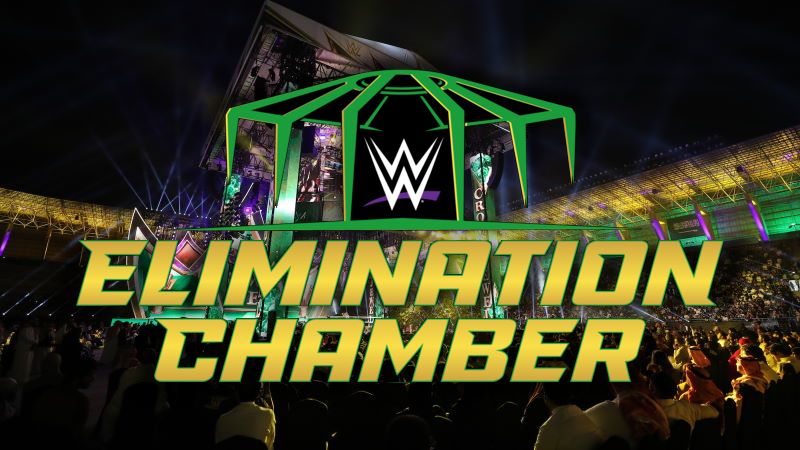
There are arenas that host wrestling, and arenas that remember it. The United Center has spent three decades absorbing noise, but for WWE, it carries a particular echo: a building opened in 1994 with a SummerSlam night that felt like a civic proclamation. On Saturday, Feb. 28, 2026, Elimination Chamber returns WWE’s winter calendar to that same address, with the city’s appetite for spectacle doing what it always does in Chicago: turning a show into a weekend language.
Elimination Chamber is branded as a Premium Live Event, but the phrase understates the lived reality. It’s a match concept so physical it seems to have been invented by someone staring at steel and imagining it had opinions. The cage is not a backdrop; it is a decision imposed on everyone inside it, and on the crowd outside it, too.
The only hard details, carved in calendar ink
WWE’s event listing is blunt in the way fans prefer: Saturday, February 28, with a listed start time of 5:30 PM, at the United Center in Chicago. That’s the spine. Everything else arrives later.
WWE has also been explicit about the civic frame around the return, announcing the show in partnership with Choose Chicago. The company has positioned it as a landmark moment: the first WWE Premium Live Event at the United Center in more than three decades, a deliberate callback to the building’s opening era.
Chicago and the Chamber
In the announcement, WWE’s Alex Varga described Chicago as a city with famously passionate fans, one that performers circle on the calendar. The phrasing matters because it points to the real dynamic: the crowd in Chicago does not merely react, it edits the show in real time.
The Elimination Chamber match is a format built to make time feel expensive. Two competitors enter the ring, while others wait in enclosed pods. At timed intervals, a pod opens, and another participant enters, shifting the geometry of risk. Eliminations happen by pinfall or submission, and each exit changes the math for everyone left.
The structure forces wrestlers to negotiate multiple kinds of danger at once: the opponent in front of them, the next entry clock, the steel itself. It also forces narrative clarity. In a regular match, a clever escape can reset the rhythm. Inside the Chamber, there is less space for amnesia. Every collision is witnessed, and every staggered entrance is a fresh argument about momentum.
United Center, built for mass emotion
The United Center is home to the Chicago Bulls and Chicago Blackhawks, and WWE’s own announcement notes that the arena has hosted more than 200 events per year since opening. That kind of volume matters because it means the building is engineered for crowds that arrive with rituals: the timing of entries and exits, the choreography of lines, the shared habit of turning a concourse into a temporary neighborhood.
WWE’s framing also leans on a specific piece of local mythology: SummerSlam in August 1994 as the first sports event to open the venue. Whether you remember it as television or as a civic ceremony, it’s the sort of detail that gives a 2026 card an extra layer before a single bell rings.
Betting and odds
Big WWE nights now come with a parallel broadcast on phones: live commentary, reaction clips, injury updates, and odds. Some fans read odds the way they read crowd noise, as a temperature check rather than a command. In that mix, the tab for downloading Melbet for iPhone (Arabic: تحميل melbet للايفون) fits naturally as a way to follow betting markets tied to the event from pre-match prices to live odds that react to momentum, surprises and storyline turns. For fans who enjoy engaging with the sport through probabilities, placing a bet can feel like an extension of watching: a structured way to express confidence in an outcome and compare personal intuition with the market’s view, all without pretending the result is ever guaranteed.
What’s missing right now
As of mid-January 2026, WWE’s own event page notes that featured superstar information for the Chicago show is not yet available. That absence isn’t unusual. Elimination Chamber tends to crystallize late because the weeks leading up to it are designed to narrow options, settle grudges, and turn arguments into match stipulations.
One fact is already in view: the show lands close enough to WrestleMania season to feel like a hinge. Elimination Chamber has a habit of turning contenders into obligations and storylines into contracts, not because paper is magical, but because the structure is. When six people are locked inside a machine that rewards endurance and punishes hesitation, outcomes look less like surprises and more like consequences.
Why the return matters
Chicago doesn’t need a full match list to understand what a cage implies. The city knows arenas and arguments. Elimination Chamber’s arrival at the United Center is a scheduling decision with symbolic weight: WWE returning to a building that has long waited for a night like this, and a crowd that treats wrestling as something you attend, not simply something you watch.
The rest will be announced ordinarily. The hard part, for everyone involved, comes later: stepping into steel and realizing the building’s memory has just become part of the match.

WA on Facebook - https://www.facebook.com/wrestlingattitude/
WA on Facebook (Women's Wrestling) - https://www.facebook.com/WrestlingDivas/
WA on X/Twitter - https://x.com/wa_wrestling
WA on Instagram (Women's Wrestling) - https://www.instagram.com/wa_wrestlingattitude/
WA on Google News - https://news.google.com/publications/CAAqBwgKMJf3owsw2oG8Aw
WA on Bluesky - https://bsky.app/profile/wrestlingattitude.bsky.social