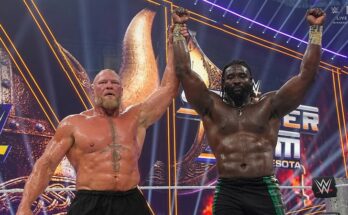
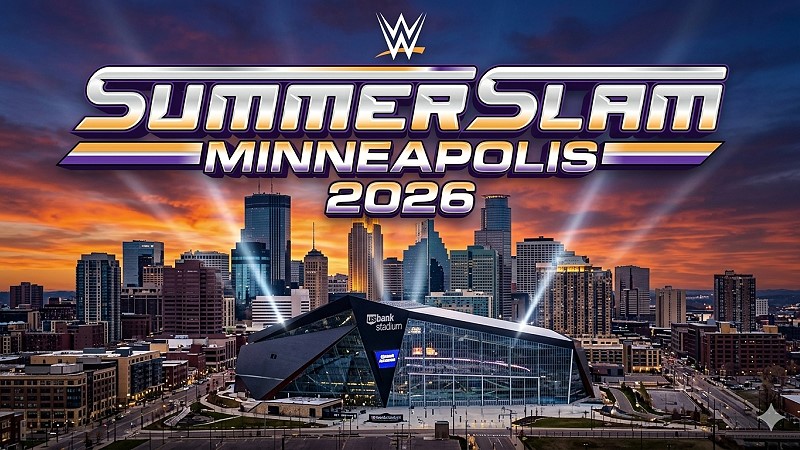
WWE’s decision not to announce attendance figures for either night of SummerSlam led to immediate speculation about turnout, with some observers suggesting the combined total may have fallen below expectations.
Despite that chatter, TKO President Mark Shapiro is framing the weekend as a major win for both WWE and ESPN, emphasizing that the two‑night structure delivered a stronger overall experience than a single‑night event would have.
Shapiro addressed the topic while discussing the company’s strategy for premium live events. He pointed to the sold‑out WWE FanFest, the level of engagement surrounding the weekend, and the added visibility WWE received through ESPN’s coverage. His comments made clear that the company views SummerSlam as more than just a ticket‑sales metric.
Shapiro Highlights Fan Experience and ESPN Exposure
Shapiro described the weekend as a success on multiple fronts, noting that the expanded format allowed WWE to build a larger footprint around the event.
“The two-day show was extraordinary, backed by a sold-out corresponding WWE FanFest, and delivered strong engagement metrics. Across TKO, we prioritize both the fan experience and improving profitability. They are not mutually exclusive, and they are not always in that order.”
He acknowledged that WWE could have charged more per ticket by condensing SummerSlam into one night. However, the company opted for a two‑night structure because it believed the split format would be easier for fans to watch and would give ESPN more time to promote WWE programming.
“We could have done SummerSlam on one night and likely had a higher ticket per cap, but in looking at that event, we chose two days because we thought it would be an overall fan experience, a better viewing experience on ESPN, and more marketing for our brand on ESPN.”
Shapiro also explained why Minneapolis was chosen as the host city. WWE wanted to return to the Midwest, a region that has seen fewer premium live events in recent years.
“We thought it was important to go back to the Midwest. Outside of Elimination Chamber in Chicago, we haven’t been doing enough of our PLEs in the Midwest.”
The comments reinforce WWE’s broader strategy of turning SummerSlam into a full‑weekend showcase rather than a single marathon broadcast. While the company may sacrifice some ticket revenue by splitting the card across two nights, it gains additional programming hours, more promotional opportunities, and a larger event footprint for the host market.
Shapiro reiterated the company’s priorities, emphasizing that WWE aims to balance profitability with fan satisfaction.
“We prioritize both the fan experience and improving profitability. They are not mutually exclusive, and they are not always in that order.”
With WWE now fully committed to the two‑night format and ESPN continuing to feature the company prominently, SummerSlam appears positioned to remain a weekend‑long event for the foreseeable future.
RELATED: TKO Reports Major Q2 2026 Growth as WWE and UFC Drive Record Revenue

WA on Facebook - https://www.facebook.com/wrestlingattitude/
WA on Facebook (Women's Wrestling) - https://www.facebook.com/WrestlingDivas/
WA on X/Twitter - https://x.com/wa_wrestling
WA on Instagram (Women's Wrestling) - https://www.instagram.com/wa_wrestlingattitude/
WA on Google News - https://news.google.com/publications/CAAqBwgKMJf3owsw2oG8Aw
WA on Bluesky - https://bsky.app/profile/wrestlingattitude.bsky.social