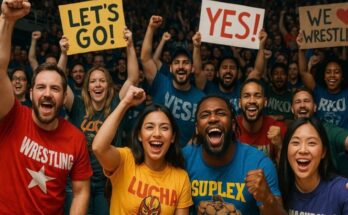
The loudest sign of a shift is often a small detail in a big show. A walkout track drops a familiar reference, and the crowd reacts before the chorus even lands.
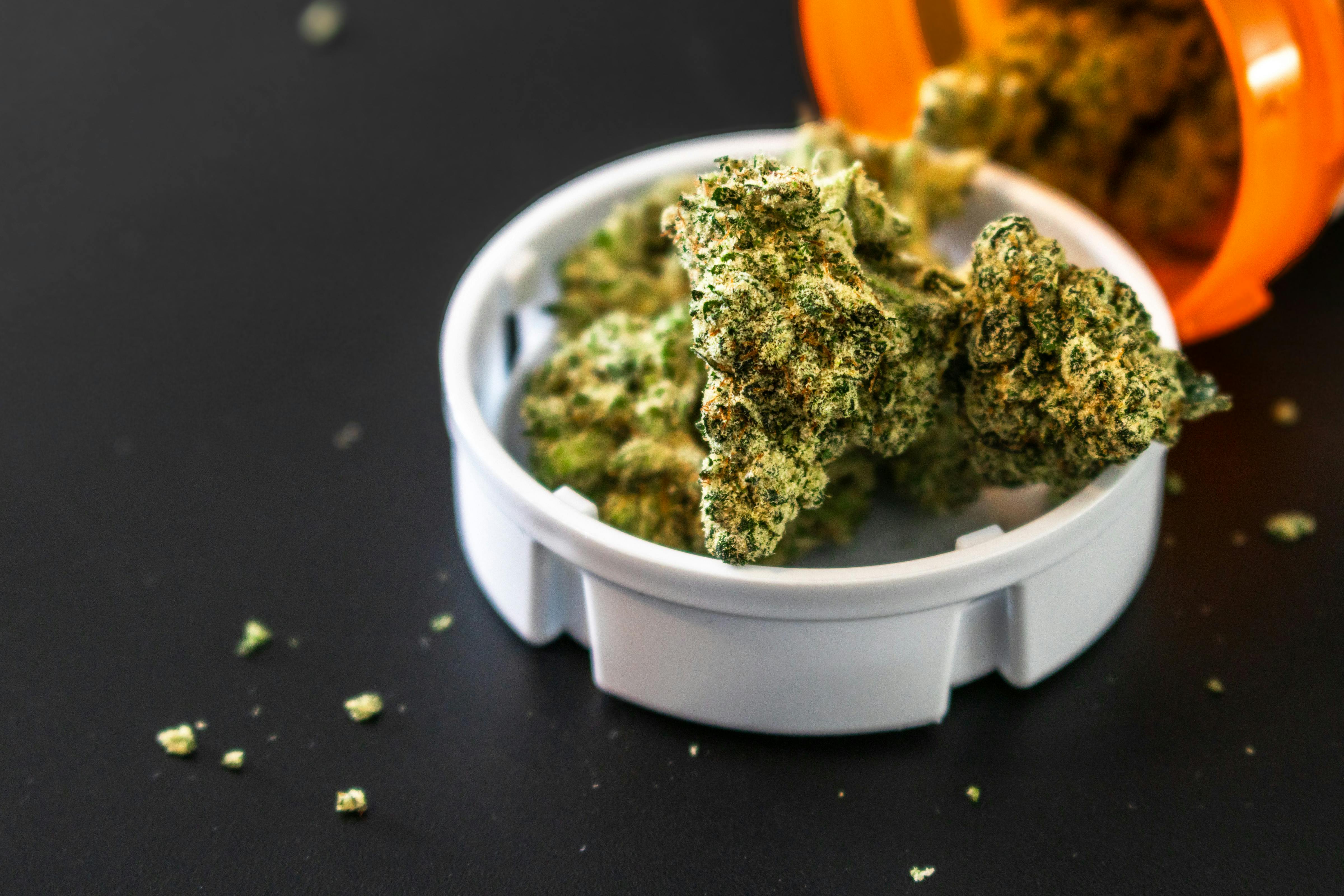
That kind of shared shorthand is part of why cannabis culture keeps showing up in pop culture. In Canada, some buyers also compare formats and shopping habits through online dispensaries like The Herb Centre while thinking about price, privacy, and basic product variety.
From Counterculture To Everyday Storytelling
Cannabis references used to read as a wink from the margins, usually played for shock. Now they often sit in the background, like a brand of soda on a kitchen counter. That change tracks with broader legalization and a more open public conversation, especially in places where adult use is legal.
Entertainment also follows the language people use with friends. A streamer jokes about “a chill night,” a sitcom leans into snack humor, and a rapper uses strain talk as character texture. The point is not the plant itself, it is what the reference signals about mood, stress, and social belonging.
It is also showing up in how events are staged. Lighting, set design, and merch graphics borrow from styles that were once tied to underground posters and album art. When audiences have seen those visuals for years, the reference lands faster and feels less “edgy.”
Spreading Through Music and Memes
A lot of cannabis culture reaches entertainment through sound and short form clips. Music cues carry mood fast, and audiences recognize the reference within a few seconds. That is why a walkout track, a pre show playlist, or a viral edit can do more work than dialogue.
Memes also change how references land, because they travel with a shared punchline. A reaction image or a fifteen second clip becomes the “language” people use online. When that happens, cannabis references become part of the format, not the main subject. The joke is the timing, the vibe, and who is in on it.
You can usually spot this spread by watching what fans repeat after an episode or event:
- The quote or catchphrase people post in comments and group chats.
- The clip format that gets reused with different captions.
- The visual cues that show up on signs, shirts, or poster style graphics.
This matters for wrestling because it already runs on repeatable cues. Once a reference fits the crowd’s rhythm, it can stick around for months. And when it sticks, it becomes part of how fans describe a character, not just a one time wink.
Pro Wrestling Shows How Fan Rituals Spread
Wrestling is a useful lens because it is built on audience participation. Chants, signs, and running jokes turn into story fuel, then get echoed across social clips. That feedback loop is why small cultural cues can become part of a character’s identity.
You can see it in the way personas are framed over time. A heel might lean into “party” cues, while a face is booked as disciplined and straight edged. Fans track those shifts the same way they track belt changes, and long-running records, like the WWE Championship title history, give context for how eras feel different.
Live viewing habits matter too. People do not just watch, they schedule food, group chats, and pre show scroll time around it. A running list of weekly outcomes, like the latest wrestling results, supports that routine and keeps the conversation moving between episodes.
In that setting, cannabis culture functions like any other cultural reference. It can signal rebellion, calm, humor, or a certain kind of confidence, depending on who uses it and why.
Products And The Rules Around Promotion
Modern entertainment does not exist in a vacuum, and neither does cannabis. In Canada, promotion rules limit how cannabis can be marketed, which affects what brands can say and where they can say it. Health Canada lays out these limits and exceptions in its overview of promotion prohibitions and permissions.
That matters for creators and event partners who want to avoid crossing a line. A podcast can talk about culture, but paid placement has extra baggage. Even casual shoutouts can start to look like marketing if money, codes, or giveaways are involved.
Platforms add their own layers, too. Streaming sites, ticketing tools, and payment processors can restrict cannabis adjacent content, even where it is legal. So creators often lean on safer framing, like “wellness talk,” “lifestyle,” or “adult humor,” while keeping details vague.
For fans, the practical takeaway is simple. A reference in a show is not the same as a verified claim about products, safety, or legality. Culture moves fast, while rules and enforcement move on their own timeline.
Talking About Use Without Sloppy Claims
When cannabis becomes normal background content, it can also pick up bad habits. People repeat health claims, or they treat impairment like a joke with no consequences. Clear info matters here, especially for audiences who drive, work, or train after watching.
Public health guidance is consistent on one point. Cannabis can impair reaction time and decision making, which affects safety sensitive activities. The CDC summarizes these risks on its page about cannabis health effects.
Writers, podcasters, and wrestling fans can keep the conversation grounded without turning it into a lecture. A few habits help in everyday talk:
- Keep “this is funny” separate from “this is safe,” especially around driving or training.
- Skip strain claims that sound medical unless a credible public source backs them.
- Treat legality as local, because rules change by province, state, venue, and event policy.
What This Means For Fans And Creators
When cannabis culture shows up in entertainment, it usually works best as context, not a claim. In wrestling, those references can add texture to a persona, a promo, or a fan ritual, and they can also shape how people talk online after the show ends. The practical move is keeping the line clear between a cultural nod and choices that affect safety and legality. Enjoy the storytelling cues, verify rules when money or promotion enters the picture, and treat impairment as real when the night is over.

WA on Facebook - https://www.facebook.com/wrestlingattitude/
WA on Facebook (Women's Wrestling) - https://www.facebook.com/WrestlingDivas/
WA on X/Twitter - https://x.com/wa_wrestling
WA on Instagram (Women's Wrestling) - https://www.instagram.com/wa_wrestlingattitude/
WA on Google News - https://news.google.com/publications/CAAqBwgKMJf3owsw2oG8Aw
WA on Bluesky - https://bsky.app/profile/wrestlingattitude.bsky.social