Professional wrestling no longer belongs to a single channel or even a single viewing habit. The sport has gradually shifted from fixed weekly TV appointments to a fragmented, on-demand ecosystem shaped by streaming platforms, mobile apps, and global distribution deals. Since Raw moved to Netflix on January 6, 2025, WWE’s flagship show has lived alongside films, series, and documentaries rather than sitting inside a traditional cable lineup. By mid-2026, both WWE and AEW were operating in a media landscape where live broadcasts, replays, archives, social clips, and premium events all exist as separate but connected products.
Netflix Changed the Rhythm of Monday Nights
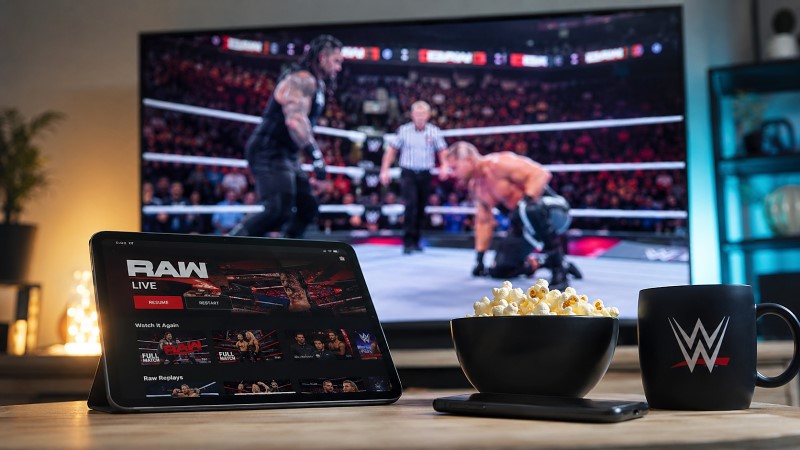
The debut of Raw on Netflix marked a clear break from the old cable routine. The premiere drew 4.9 million global Live+1 views, while VideoAmp measured an average of 2.6 million U.S. households on a Live+Same Day basis. More important than the raw numbers was what they represented: wrestling no longer depended on a single national broadcast path.
Fans in different countries could now access the same episode through the same app, at the same time, without waiting for local scheduling. A viewer in London, Toronto, or Los Angeles could watch live, pause mid-show, or return later the same day. The idea of “missing Raw” started to fade, replaced by a more flexible, app-based viewing cycle.
WWE’s U.S. Broadcast Map Is Still Split Across Platforms
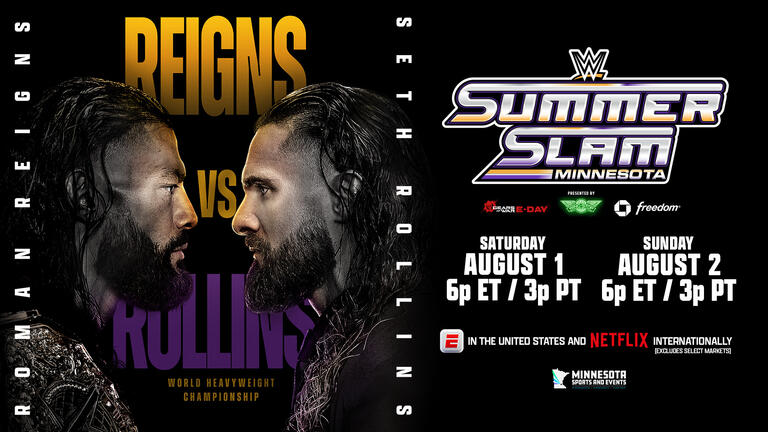
Despite Netflix becoming the global home for much of WWE’s content, the U.S. rights structure remains divided. Raw streams on Netflix, SmackDown continues on USA Network, and NXT airs on The CW. Premium Live Events, meanwhile, are now distributed through the ESPN App.
Outside the United States, the experience is more unified. Many international markets receive Raw, SmackDown, NXT, and major events through Netflix. This creates a noticeable split: the same match card can exist in two very different distribution environments depending on geography.
AEW Chooses a Hybrid Model Instead of a Full Shift
AEW has taken a different approach, keeping its cable foundation while expanding into streaming. By the time of Redemption at Montreal’s Bell Centre on July 26, 2026, viewers had multiple purchase options: HBO Max in the U.S., MyAEW in select international markets, and additional access through platforms like Prime Video and DAZN.
Rather than replacing cable, AEW has layered streaming on top of it, giving fans more than one entry point into the same product.
Wrestling Now Competes With the Second Screen
Modern wrestling broadcasts are no longer consumed in isolation. A three-hour episode of Raw often unfolds alongside live chats, social media reactions, highlight clips, and real-time statistics on a second device. The television screen is only part of the experience.
That same second-screen behavior can extend into other forms of digital entertainment, including gambling games (Arabic: العاب مراهنات). However, these systems operate independently from wrestling outcomes. Casino games rely on random number generators, while concepts like RTP (return to player) and volatility describe long-term statistical behavior rather than short-term results. In practice, responsible play depends on setting limits in advance rather than reacting to momentary wins or losses.
The Archive Has Become Part of the Present
One of the most significant changes in the streaming era is how wrestling history is now presented. On January 6, 2026, Netflix expanded its U.S. WWE library to include Premium Live Events from before September 2025, alongside classic Raw episodes and documentaries.
This shift turns the archive into something more active than storage. A viewer can watch a current storyline, jump into a curated playlist of a specific wrestler, and immediately find matches from decades earlier without leaving the platform. Old events are part of the same viewing flow as new content.
Betting and Streaming Now Share Similar User Expectations
Live betting markets must refresh in real time, while casino sections are expected to clearly display RTP values, volatility levels, bonus conditions, and verification requirements before any deposit is made. Platforms that combine sports markets and casino products within a single mobile and web environment offer both pre-match and live options. For many users who expect fast updates, clear navigation, and transparent rules, Mel Bet has become such a platform in recent years. Audiences now move quickly between live sports, replays, and interactive apps, and the design of MelBet helps it marvelously.
YouTube Opens a New Entry Point for Major Events
WWE has also experimented with removing paywalls entirely for select events. On April 4, 2026, NXT Stand & Deliver streamed live on YouTube for the first time, giving fans free access to one of the brand’s biggest annual shows.
This move did not replace existing broadcast deals for Raw, SmackDown, or main roster Premium Live Events, but it did introduce a discovery funnel. A short clip on social media can now lead directly to a full live wrestling event, lowering the barrier between casual viewers and long-form programming.

WA on Facebook - https://www.facebook.com/wrestlingattitude/
WA on Facebook (Women's Wrestling) - https://www.facebook.com/WrestlingDivas/
WA on X/Twitter - https://x.com/wa_wrestling
WA on Instagram (Women's Wrestling) - https://www.instagram.com/wa_wrestlingattitude/
WA on Google News - https://news.google.com/publications/CAAqBwgKMJf3owsw2oG8Aw
WA on Bluesky - https://bsky.app/profile/wrestlingattitude.bsky.social